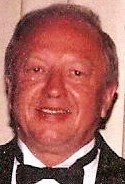
WASHINGTON – After 34 years in the Army, Gen. Stanley McChrystal left behind legions of admirers and the prospect his reputation as a ferocious fighter would one day eclipse the costly comments that appeared in Rolling Stone.
"Over the past decade, arguably no single American has inflicted more fear, more loss of freedom and more loss of life on our country's most vicious and violent enemies than Stan McChrystal," U.S. Defense Secretary Robert Gates said during an emotional retirement ceremony Friday, marking the end of the general's career.
Before a crowd of a few hundred friends, family and colleagues on the Fort McNair parade grounds under an oppressively hot July sun, McChrystal said his service didn't end as he hoped. But he regretted few decisions he had made on the battlefield, cherished his life as a soldier and was optimistic about his future.
"There are misconceptions about the loyalty and service of some dedicated professionals that will likely take some time, but I believe will be corrected," he said.
McChrystal, the former commander of U.S. forces in Afghanistan, was fired last month after the magazine published an article titled "The Runaway General" that quoted scathing remarks he and his aides made about their civilian bosses.
McChrystal complained President Barack Obama had handed him "an unsellable position" on the war. The general's closest advisers mocked other government officials, including Vice President Joseph Biden, as fools who were ignorant of the complexities of war.
"Biden? Did you say, 'Bite me?'" one aide is quoted saying.
Soon after the article was published, McChrystal was sent packing.
Showing posts with label Gen. Stanley McChrystal. Show all posts
Showing posts with label Gen. Stanley McChrystal. Show all posts
Saturday, July 24, 2010


Tuesday, July 20, 2010
A fellow general argues that McChrystal arranged his own firing
This essay, by Major Gen. Jerry Curry, reflects precisely my reading of this episode from Day One. Gen. Stanley McChrystal had served his country honorably and well for a long time, but was soon to take the Afghanistan war to a new level, in Marja, under an erratic, leftist preisdent who had no military experience. The more he thought about it, the less he liked his odds. In the end, he decided his situation was impossible, so he chose an imaginative way to get himself fired.
Gen. Curry:
The beginning of the push to clear Afghanistan of Taliban influence was to have started weeks ago with the city of Marja. The operational plan had the blessing of the White House, Obama’s national security staff, Secretary of Defense Gates and General Petraeus. Yet one of General McChrystal’s final acts before the Rolling Stone article was published was to postpone the Marja operation until autumn. Some believe it was because the people of Marja were not quite ready for the offensive to begin. I’d like to suggest a different possibility, though.
What if the real reason the Marja operation was delayed was because General McChrystal had come to the conclusion that the war in Afghanistan was unwinable so long as Obama was Commander-in-Chief. What if McChrystal expected his forces to get mired down in Marja (and other places in Afghanistan) because he believed that President Obama did not have the guts to do what it takes to win the war? Perhaps he suspected that Obama would do his usual side step, blame, and scapegoat routine and ultimately try to wrap the Afghan loss around McChrystal’s own neck. Maybe McChrystal had no intention of seeing his military career end in disgrace and failure, of being known forever as the General who had lost the Afghan War.
So what if McChrystal had laid a trap for Michael Hastings, Rolling Stone Magazine, the Pentagon, and President Obama and they had stepped right into it? What if they had simply “been had” by Gen. McChrystal who was not willing to play the stiff upper lip role assigned to him in this Afghan tragedy and figured the best way to historically save his own reputation was to get himself fired? What if Obama had glibly walked into the trap and fired McChrystal not suspecting that that was exactly what McChrystal wanted him to do?
Gen. Curry:
The beginning of the push to clear Afghanistan of Taliban influence was to have started weeks ago with the city of Marja. The operational plan had the blessing of the White House, Obama’s national security staff, Secretary of Defense Gates and General Petraeus. Yet one of General McChrystal’s final acts before the Rolling Stone article was published was to postpone the Marja operation until autumn. Some believe it was because the people of Marja were not quite ready for the offensive to begin. I’d like to suggest a different possibility, though.
What if the real reason the Marja operation was delayed was because General McChrystal had come to the conclusion that the war in Afghanistan was unwinable so long as Obama was Commander-in-Chief. What if McChrystal expected his forces to get mired down in Marja (and other places in Afghanistan) because he believed that President Obama did not have the guts to do what it takes to win the war? Perhaps he suspected that Obama would do his usual side step, blame, and scapegoat routine and ultimately try to wrap the Afghan loss around McChrystal’s own neck. Maybe McChrystal had no intention of seeing his military career end in disgrace and failure, of being known forever as the General who had lost the Afghan War.
So what if McChrystal had laid a trap for Michael Hastings, Rolling Stone Magazine, the Pentagon, and President Obama and they had stepped right into it? What if they had simply “been had” by Gen. McChrystal who was not willing to play the stiff upper lip role assigned to him in this Afghan tragedy and figured the best way to historically save his own reputation was to get himself fired? What if Obama had glibly walked into the trap and fired McChrystal not suspecting that that was exactly what McChrystal wanted him to do?
Monday, July 5, 2010
What's in it for Petraeus? How about chair of the joint chiefs?
In announcing he had “accepted” his battlefield commander’s resignation; Mr. Obama acknowledged he and General McChrystal “are in full agreement about our strategy.” This week’s firing was simply political theater designed to enhance Mr. Obama’s stature as a "leader" in the eyes of his supporters and critics.
Mr. Obama suffers from decision deficit disorder. He is routinely described as detached, disengaged, ambivalent and uncertain in everything from the economy, to securing our borders, to the Gulf oil spill, to the war itself. He has been unable or unwilling to name our radical Islamist enemies or define victory. He is the only commander in chief to announce a deadline for withdrawing troops while committing more Americans to combat.
General McChrystal was relieved because a thin skinned president couldn’t take criticism in "the press" and needed to prove he's “the boss.” The intemperate, published remarks made by General McChrystal and his staff in Rolling Stone provided an opportunity for Mr. Obama to show his left-wing base that he is “in charge.”
The task of commanding 140,000 U.S. and NATO troops in Afghanistan now falls on the shoulders of General David Petraeus. In accepting the assignment, General Petraeus has not only stepped down from the more senior post as head of U.S. Central Command, but he has also been thrust into the role of “America’s only competent General.” One critic suggested, “He’s very good, but it does make us look like we're a banana republic.” Another, a senior officer, said, “Petraeus has accepted ‘mission impossible’; herding coalition cats, getting the cooperation of a completely corrupt regime in Kabul and meeting the often conflicting expectations of an inept regime in Washington.”
Leading the unruly coalition in Afghanistan may well prove to be far more challenging than what General Petraeus had to do in Iraq from 2007 to 2008. In Baghdad, he had a close working relationship with U.S. Ambassador Ryan Crocker, the respect of other coalition leaders, a supportive, united White House and backing from a bi-partisan coalition in Congress. The command in Kabul offers few of these advantages, for the O-Team is nearly incapacitated by internal rivalries and enormous egos.
“Why would General Petraeus take what amounts to a demotion?” I asked. The answer, from an admirer, was revealing: “He was selected because he is a proven commodity. Everyone knows Petraeus is a battle tested commander and a patriot. In Iraq, he showed how to work every military, diplomatic and political angle necessary to get the job done. By taking the evidently thankless job in Kabul, he just guaranteed he will be the next Chairman of the Joint Chiefs of Staff.”
Perhaps. But first, General Petraeus has to convince this Commander in Chief how to say, “victory.” He has a year to do it.
Mr. Obama suffers from decision deficit disorder. He is routinely described as detached, disengaged, ambivalent and uncertain in everything from the economy, to securing our borders, to the Gulf oil spill, to the war itself. He has been unable or unwilling to name our radical Islamist enemies or define victory. He is the only commander in chief to announce a deadline for withdrawing troops while committing more Americans to combat.
General McChrystal was relieved because a thin skinned president couldn’t take criticism in "the press" and needed to prove he's “the boss.” The intemperate, published remarks made by General McChrystal and his staff in Rolling Stone provided an opportunity for Mr. Obama to show his left-wing base that he is “in charge.”
The task of commanding 140,000 U.S. and NATO troops in Afghanistan now falls on the shoulders of General David Petraeus. In accepting the assignment, General Petraeus has not only stepped down from the more senior post as head of U.S. Central Command, but he has also been thrust into the role of “America’s only competent General.” One critic suggested, “He’s very good, but it does make us look like we're a banana republic.” Another, a senior officer, said, “Petraeus has accepted ‘mission impossible’; herding coalition cats, getting the cooperation of a completely corrupt regime in Kabul and meeting the often conflicting expectations of an inept regime in Washington.”
Leading the unruly coalition in Afghanistan may well prove to be far more challenging than what General Petraeus had to do in Iraq from 2007 to 2008. In Baghdad, he had a close working relationship with U.S. Ambassador Ryan Crocker, the respect of other coalition leaders, a supportive, united White House and backing from a bi-partisan coalition in Congress. The command in Kabul offers few of these advantages, for the O-Team is nearly incapacitated by internal rivalries and enormous egos.
“Why would General Petraeus take what amounts to a demotion?” I asked. The answer, from an admirer, was revealing: “He was selected because he is a proven commodity. Everyone knows Petraeus is a battle tested commander and a patriot. In Iraq, he showed how to work every military, diplomatic and political angle necessary to get the job done. By taking the evidently thankless job in Kabul, he just guaranteed he will be the next Chairman of the Joint Chiefs of Staff.”
Perhaps. But first, General Petraeus has to convince this Commander in Chief how to say, “victory.” He has a year to do it.
Friday, July 2, 2010
It's time to end on-the-job training for the inept in lofty posts
Last week's flap involving Gen. Stanley McChrystal was notable for many things, but what stands out most in my opinion was how it reflects the declining respect that so many Americans have for those in leadership positions.
While decorum can be imposed by fiat, it is genuine respect that prompts teams to achieve in all fields, and which must be earned. I'm not going to defend the general, who clearly overstepped his bounds and had to be dismissed to maintain civilian control over the military. But he was (and I am) clearly frustrated with micromanagement of the Afghan campaign by politicians lacking military experience and situated thousands of miles away.
In recent years, we have seen far too much of this situation, where those with little or no pertinent experience or knowledge impose their views upon the country and in the process undermine respect for major institutions with their ineptitude.
For example:
•We currently see a Supreme Court nominee with virtually no experience in the law, outside academia and the White House, and none as a judge.
•We have the ranking Republican on the Senate Judiciary Committee considering the Elena Kagan nomination focusing ad nauseam on her handling of the gays in the military issue years ago at Harvard Law School, and largely disregarding issues that are of real significance to Americans today -- such as her views on the implications of the Constitution's Commerce Clause for the new health care law.
•In House hearings on the Gulf of Mexico oil spill, we have noted experts in petroleum engineering -- Reps. Henry Waxman and Edward Markey -- making determinations as to which well-drilling method was preferable.
•We have a treasury secretary with no private sector experience and who had trouble filing an accurate tax return.
•And last year we saw our president -- with no experience running a business -- deciding to oust the CEO of General Motors.
If our country is going to get back on track, we need to redevelop confidence in and respect for our leaders and institutions. This means first and foremost electing and appointing people who command this respect by virtue of their bona fide achievements and not simply their paper credentials.
In recent years, far too many people with prestigious degrees and titles have made far too many horrible decisions that have caused great harm to Americans everywhere. We need people who have shown through their actual performance in business, the military, government or academia (preferably in multiple areas that pertain to the problems we face) that they can and will handle pressure and act at all times with integrity and good judgment.
The time for on the job training in lofty positions is over.
While decorum can be imposed by fiat, it is genuine respect that prompts teams to achieve in all fields, and which must be earned. I'm not going to defend the general, who clearly overstepped his bounds and had to be dismissed to maintain civilian control over the military. But he was (and I am) clearly frustrated with micromanagement of the Afghan campaign by politicians lacking military experience and situated thousands of miles away.
In recent years, we have seen far too much of this situation, where those with little or no pertinent experience or knowledge impose their views upon the country and in the process undermine respect for major institutions with their ineptitude.
For example:
•We currently see a Supreme Court nominee with virtually no experience in the law, outside academia and the White House, and none as a judge.
•We have the ranking Republican on the Senate Judiciary Committee considering the Elena Kagan nomination focusing ad nauseam on her handling of the gays in the military issue years ago at Harvard Law School, and largely disregarding issues that are of real significance to Americans today -- such as her views on the implications of the Constitution's Commerce Clause for the new health care law.
•In House hearings on the Gulf of Mexico oil spill, we have noted experts in petroleum engineering -- Reps. Henry Waxman and Edward Markey -- making determinations as to which well-drilling method was preferable.
•We have a treasury secretary with no private sector experience and who had trouble filing an accurate tax return.
•And last year we saw our president -- with no experience running a business -- deciding to oust the CEO of General Motors.
If our country is going to get back on track, we need to redevelop confidence in and respect for our leaders and institutions. This means first and foremost electing and appointing people who command this respect by virtue of their bona fide achievements and not simply their paper credentials.
In recent years, far too many people with prestigious degrees and titles have made far too many horrible decisions that have caused great harm to Americans everywhere. We need people who have shown through their actual performance in business, the military, government or academia (preferably in multiple areas that pertain to the problems we face) that they can and will handle pressure and act at all times with integrity and good judgment.
The time for on the job training in lofty positions is over.
Wednesday, June 30, 2010
Did McChrystal choose an inelegant escape from his own trap?
One big question that hangs over the quick end of General Stanley McChrystal's mission in Afghanistan: Why would a West Point and Kennedy School of Government graduate who runs eight miles a day, sleeps four hours and is smart as a whip ever do something so dumb as to talk to a Rolling Stone reporter?
Well, maybe he wasn't so dumb after all. Reading the accounts of McChrystal's last months on the job, I think it is clear the general had become so conflicted about the rules of engagement he was imposing on his troops that he finally said "The hell with it. Let Rolling Stone run with this story and see what happens."
The clues are all in the Rolling Stone article (which the magazine -- sickeningly -- is billing on its website as "the article that changed history"). The key section deals with the new rules of engagement (ROE) that McChrystal had begun to impose on his troops. The average infantryman was reacting with a mounting sense of betrayal and anger. Some described the new regimen as "being handcuffed." Rolling Stone reporter Richard Hastings reports one GI writing McChrystal to ask, "Why are we not allowed to defend ourselves?"
Well, maybe he wasn't so dumb after all. Reading the accounts of McChrystal's last months on the job, I think it is clear the general had become so conflicted about the rules of engagement he was imposing on his troops that he finally said "The hell with it. Let Rolling Stone run with this story and see what happens."
The clues are all in the Rolling Stone article (which the magazine -- sickeningly -- is billing on its website as "the article that changed history"). The key section deals with the new rules of engagement (ROE) that McChrystal had begun to impose on his troops. The average infantryman was reacting with a mounting sense of betrayal and anger. Some described the new regimen as "being handcuffed." Rolling Stone reporter Richard Hastings reports one GI writing McChrystal to ask, "Why are we not allowed to defend ourselves?"
Thursday, June 24, 2010
Contempt for Obama reflected in Rolling Stone echos that heaped on Harry Truman for firing Gen. Douglas MacArthur
...the Rolling Stone article shows in vivid detail that the sentiments that first surfaced in the MacArthur firing are still alive, well and exceptionally powerful today in America's fight against Islamic fascism. The banning of the latter phrase by an Obama administration that deems it politically incorrect is in itself a symbol of the politics launched by the MacArthur firing. Doubtless that kind of political correctness is one source of the derision that was carelessly expressed by McChrystal's aides to Rolling Stone.
General Stanley McChrystal was wrong to be giving time to discuss his views with Rolling Stone, his aides unimaginably stupid to be so free with a reporter for a magazine with a considerable anti-war reputation. Ironically, the politics of Rolling Stone itself -- indeed the magazine's very existence -- are a legacy of the anti-war sentiments that were first bubbling with progressives during the time of MacArthur's firing.
Without doubt, the essence of what McChrystal so obviously believes -- that the answer to al Qaeda is victory, not appeasement or negotiation -- is what was once believed by those millions who thronged the streets of San Francisco and New York to cheer Douglas MacArthur. This is the political view that propelled the electoral careers of presidents who sided with MacArthur's views in one form or another throughout the Cold War, from Eisenhower to George H.W. Bush. It has elected literally hundreds of senators and congressman.
From 1952 on through to the last Cold War election in 1988, the victorious candidate for the presidency was always the one perceived as the more MacArthur-like, which is to say an unrelenting foe of the Soviet Union and its various Communist allies. At a minimum the candidate had to be at least as tough as the other guy. Anything less and the candidate was simply un-electable. Even Jimmy Carter passed that test in 1976, campaigning as a tough ex-Navy officer with scorn for Gerald Ford's supposed soft views on the Communist domination of Eastern Europe. When events proved otherwise after his election, Carter was out in an Eisenhower-esque landslide for Ronald Reagan. In addition to Carter's failure in 1980 the MacArthur test was failed successively by Democrats Stevenson (twice), Humphrey, McGovern, Mondale and Dukakis.
Make no mistake.
The firing of General McChrystal -- all constitutionally correct -- will be hailed in some quarters for that reason.
But what is being missed is the real political message that came through loud and clear in the Rolling Stone McCrystal article.
The message?
That the American military thinks the Obama team is not up to the job of defeating Al Qaeda and winning a war which it is even terrified of calling by name. That those on the front line in a life-and-death struggle with a serious enemy think the President a wimp, the Vice President a blowhard, the national security adviser a "clown," Ambassador Richard Holbrooke a man consumed by the need for relevance, and that the French act like…well…the French.
The spirit of Douglas MacArthur and his fury at what he perceived as a weakness in fighting Communism resonates through every last word of McChrystal and his impolitic aides. In fact, McCrystal himself, if you read the actual article, is extraordinarily reticent. But combined with the blunt, caustic sentiments of his aides, there is no doubt of what the troops think of the commander-in-chief and his team
General Stanley McChrystal was wrong to be giving time to discuss his views with Rolling Stone, his aides unimaginably stupid to be so free with a reporter for a magazine with a considerable anti-war reputation. Ironically, the politics of Rolling Stone itself -- indeed the magazine's very existence -- are a legacy of the anti-war sentiments that were first bubbling with progressives during the time of MacArthur's firing.
Without doubt, the essence of what McChrystal so obviously believes -- that the answer to al Qaeda is victory, not appeasement or negotiation -- is what was once believed by those millions who thronged the streets of San Francisco and New York to cheer Douglas MacArthur. This is the political view that propelled the electoral careers of presidents who sided with MacArthur's views in one form or another throughout the Cold War, from Eisenhower to George H.W. Bush. It has elected literally hundreds of senators and congressman.
From 1952 on through to the last Cold War election in 1988, the victorious candidate for the presidency was always the one perceived as the more MacArthur-like, which is to say an unrelenting foe of the Soviet Union and its various Communist allies. At a minimum the candidate had to be at least as tough as the other guy. Anything less and the candidate was simply un-electable. Even Jimmy Carter passed that test in 1976, campaigning as a tough ex-Navy officer with scorn for Gerald Ford's supposed soft views on the Communist domination of Eastern Europe. When events proved otherwise after his election, Carter was out in an Eisenhower-esque landslide for Ronald Reagan. In addition to Carter's failure in 1980 the MacArthur test was failed successively by Democrats Stevenson (twice), Humphrey, McGovern, Mondale and Dukakis.
Make no mistake.
The firing of General McChrystal -- all constitutionally correct -- will be hailed in some quarters for that reason.
But what is being missed is the real political message that came through loud and clear in the Rolling Stone McCrystal article.
The message?
That the American military thinks the Obama team is not up to the job of defeating Al Qaeda and winning a war which it is even terrified of calling by name. That those on the front line in a life-and-death struggle with a serious enemy think the President a wimp, the Vice President a blowhard, the national security adviser a "clown," Ambassador Richard Holbrooke a man consumed by the need for relevance, and that the French act like…well…the French.
The spirit of Douglas MacArthur and his fury at what he perceived as a weakness in fighting Communism resonates through every last word of McChrystal and his impolitic aides. In fact, McCrystal himself, if you read the actual article, is extraordinarily reticent. But combined with the blunt, caustic sentiments of his aides, there is no doubt of what the troops think of the commander-in-chief and his team
Wednesday, June 23, 2010
Washington Examiner: McChrystal out, Petraeus replaces him
WASHINGTON — President Barack Obama ousted Gen. Stanley McChrystal as the top U.S. commander in Afghanistan on Wednesday, choosing the embattled general's direct boss — Gen. David Petraeus — to take over the troubled 9-year-old war, a source told The Associated Press.
McChrystal was summoned to Washington from Kabul to explain scathing, mocking remarks about administration officials, including Obama and Vice President Joe Biden, by him and his team in a magazine article. But the morning showdown with Obama in the Oval Office was not enough to save his job.
McChrystal offered his resignation and Obama accepted it, said the source, who spoke on condition of anonymity because the president's decision was not yet made public.
Obama planned to speak at 1:30 p.m. EDT from the Rose Garden, accompanied by Defense Secretary Robert Gates and Adm. Mike Mullen, chairman of the Joint Chiefs of Staff, about the controversy.
Petraeus, who attended a formal Afghanistan war meeting at the White House Wednesday, now oversees the wars in both Afghanistan and Iraq as head of U.S. Central Command.
By pairing the decision on McChrystal's departure with the name of his replacement, Obama is seeking to move on as quickly as possible from the firestorm surrounding the Rolling Stone magazine story and the renewed debate over his Afghanistan policy that it provoked.
With Washington abuzz about this controversy, there was an almost complete lockdown on information about the morning's developments. It was not even known where McChrystal went after his half-hour meeting with Obama at the White House, which came not long after his early morning arrival from Afghanistan.
Petraeus is the nation's best-known military man, having risen to prominence as the commander who turned around the Iraq war in 2007. The Afghanistan job is actually a step down from his current post.
Petraeus has a reputation for rigorous discipline and careful attention to his image. He keeps a punishing pace — spending more than 300 days on the road last year.
McChrystal was summoned to Washington from Kabul to explain scathing, mocking remarks about administration officials, including Obama and Vice President Joe Biden, by him and his team in a magazine article. But the morning showdown with Obama in the Oval Office was not enough to save his job.
McChrystal offered his resignation and Obama accepted it, said the source, who spoke on condition of anonymity because the president's decision was not yet made public.
Obama planned to speak at 1:30 p.m. EDT from the Rose Garden, accompanied by Defense Secretary Robert Gates and Adm. Mike Mullen, chairman of the Joint Chiefs of Staff, about the controversy.
Petraeus, who attended a formal Afghanistan war meeting at the White House Wednesday, now oversees the wars in both Afghanistan and Iraq as head of U.S. Central Command.
By pairing the decision on McChrystal's departure with the name of his replacement, Obama is seeking to move on as quickly as possible from the firestorm surrounding the Rolling Stone magazine story and the renewed debate over his Afghanistan policy that it provoked.
With Washington abuzz about this controversy, there was an almost complete lockdown on information about the morning's developments. It was not even known where McChrystal went after his half-hour meeting with Obama at the White House, which came not long after his early morning arrival from Afghanistan.
Petraeus is the nation's best-known military man, having risen to prominence as the commander who turned around the Iraq war in 2007. The Afghanistan job is actually a step down from his current post.
Petraeus has a reputation for rigorous discipline and careful attention to his image. He keeps a punishing pace — spending more than 300 days on the road last year.
Tuesday, June 22, 2010
Atlantic excerpts from Rollling Stone piece on Gen. McChrystal
It doesn't hurt that McChrystal was also extremely successful as head of the Joint Special Operations Command, the elite forces that carry out the government's darkest ops. During the Iraq surge, his team killed and captured thousands of insurgents, including Abu Musab al-Zarqawi, the leader of Al Qaeda in Iraq. "JSOC was a killing machine," says Maj. Gen. Mayville, his chief of operations. McChrystal was also open to new ways of killing. He systematically mapped out terrorist networks, targeting specific insurgents and hunting them down - often with the help of cyberfreaks traditionally shunned by the military. "The Boss would find the 24-year-old kid with a nose ring, with some fucking brilliant degree from MIT, sitting in the corner with 16 computer monitors humming," says a Special Forces commando who worked with McChrystal in Iraq and now serves on his staff in Kabul. "He'd say, 'Hey - you fucking muscleheads couldn't find lunch without help. You got to work together with these guys.'"
But however strategic they may be, McChrystal's new marching orders have
caused an intense backlash among his own troops. Being told to hold their fire, soldiers complain, puts them in greater danger. "Bottom line?" says a former Special Forces operator who has spent years in Iraq and Afghanistan. "I would love to kick McChrystal in the nuts. His rules of engagement put soldiers' lives in even greater danger. Every real soldier will tell you the same thing."
But however strategic they may be, McChrystal's new marching orders have
caused an intense backlash among his own troops. Being told to hold their fire, soldiers complain, puts them in greater danger. "Bottom line?" says a former Special Forces operator who has spent years in Iraq and Afghanistan. "I would love to kick McChrystal in the nuts. His rules of engagement put soldiers' lives in even greater danger. Every real soldier will tell you the same thing."
Subscribe to:
Posts (Atom)