WASHINGTON - Despite attempts in the House and by the Obama administration to rein in earmarking, both Ohio senators say they are standing by their requests, which this year amount to nearly $2.3 billion combined.
Earmarks are targeted requests for local funding that lawmakers try each year to insert into the federal budget.
Earmarked spending makes up a small percentage of the overall federal budget, as most lawmakers who earmark tend to point out.
But it's drawn increased attention - and criticism - in the past few years. A growing number of lawmakers from both parties have been caught up in scandals related to trading earmarks for campaign contributions or other favors. For many, earmarks symbolize the out-of-control spending that has engulfed Washington.
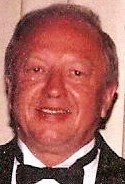
Sen. George Voinovich, who refers to himself as the chamber's biggest "deficit hawk," asked for $470.3 million for 177 earmarks.
His spokeswoman, Jennifer Scoggins, said the Cleveland Republican supports "good, targeted and transparent earmarks." She said Voinovich also supports efforts to reduce federal spending in other areas that make up a larger part of the federal budget.
"As a member of the Senate Committee on Appropriations, the senator continues to seek funding for worthy projects to help get Ohio its fair share, stimulate the economy and cultivate jobs," she said.
But watchdog groups say lawmakers can't have it both ways.
"Taking a stand against deficit spending can have a lot more sway with the outside world if you take a stand against earmarks, as well," said Pete Sepp, spokesman for the nonpartisan Washington-based National Taxpayers Union.
Showing posts with label Ohio. Show all posts
Showing posts with label Ohio. Show all posts
Thursday, May 27, 2010


Wednesday, May 5, 2010
Democrat turnout slumps while GOP turnout rises in special elections
Turnout among Dem voters dropped precipitously in 3 statewide primaries on Tuesday, giving the party more evidence that their voters lack enthusiasm ahead of midterm elections.
In primaries in NC, IN and OH, Dems turned out at far lower rates than they have in previous comparable elections.
Just 663K OH voters cast ballots in the competitive primary between LG Lee Fisher (D) and Sec/State Jennifer Brunner (D). That number is lower than the 872K voters who turned out in '06, when neither Gov. Ted Strickland (D) nor Sen. Sherrod Brown (D) faced primary opponents.
Only 425K voters turned out to pick a nominee against Sen. Richard Burr (R-NC). The 14.4% turnout was smaller than the 444K voters -- or 18% of all registered Dem voters -- who turned out in '04, when Gov. Mike Easley (D) faced only a gadfly candidate in his bid to be renominated for a second term.
And in IN, just 204K Hoosiers voted for Dem House candidates, far fewer than the 357K who turned out in '02 and the 304K who turned out in '06.
By contrast, GOP turnout was up almost across the board. 373K people voted in Burr's uncompetitive primary, nearly 9% higher than the 343K who voted in the equally non-competitive primary in '04. Turnout in House races in IN rose 14.6% from '06, fueled by the competitive Senate primary, which attracted 550K voters. And 728K voters cast ballots for a GOP Sec/State nominee in Ohio, the highest-ranking statewide election with a primary; in '06, just 444K voters cast ballots in that race.
In primaries in NC, IN and OH, Dems turned out at far lower rates than they have in previous comparable elections.
Just 663K OH voters cast ballots in the competitive primary between LG Lee Fisher (D) and Sec/State Jennifer Brunner (D). That number is lower than the 872K voters who turned out in '06, when neither Gov. Ted Strickland (D) nor Sen. Sherrod Brown (D) faced primary opponents.
Only 425K voters turned out to pick a nominee against Sen. Richard Burr (R-NC). The 14.4% turnout was smaller than the 444K voters -- or 18% of all registered Dem voters -- who turned out in '04, when Gov. Mike Easley (D) faced only a gadfly candidate in his bid to be renominated for a second term.
And in IN, just 204K Hoosiers voted for Dem House candidates, far fewer than the 357K who turned out in '02 and the 304K who turned out in '06.
By contrast, GOP turnout was up almost across the board. 373K people voted in Burr's uncompetitive primary, nearly 9% higher than the 343K who voted in the equally non-competitive primary in '04. Turnout in House races in IN rose 14.6% from '06, fueled by the competitive Senate primary, which attracted 550K voters. And 728K voters cast ballots for a GOP Sec/State nominee in Ohio, the highest-ranking statewide election with a primary; in '06, just 444K voters cast ballots in that race.
Sunday, May 2, 2010
Primaries in Indiana, Ohio and North Carolina kick off political season
WASHINGTON (AP) — Republicans are on offense in scores of House and Senate races as persistent economic woes and lukewarm support for President Barack Obama continue to weaken Democrats’ hold on Congress.
The president and his party are determined to minimize the losses six months before the November elections. But Democrats privately acknowledge the economy and support for Obama must improve before then to avoid the defeats that could cost them control of the House and possibly the Senate.
Primaries in Indiana, Ohio and North Carolina on Tuesday kick off an intense eight weeks of contested elections. There also are two special House elections to fill vacant Democratic-held seats in Pennsylvania and Hawaii. The outcome could be a clear indicator of the political mood.
“I need your help once more,” Obama says in a video message to backers, a plea that underscores the troubles for Democrats. “This year, the stakes are higher than ever,” the president adds, warning that Republicans would “undo all that we have accomplished.”
Although Obama isn’t on the ballot, a Democratic shellacking would be seen as a rebuke of the president’s first two years in office, much like 1994 was for President Bill Clinton when the GOP reclaimed the House and Senate.
The president and his party are determined to minimize the losses six months before the November elections. But Democrats privately acknowledge the economy and support for Obama must improve before then to avoid the defeats that could cost them control of the House and possibly the Senate.
Primaries in Indiana, Ohio and North Carolina on Tuesday kick off an intense eight weeks of contested elections. There also are two special House elections to fill vacant Democratic-held seats in Pennsylvania and Hawaii. The outcome could be a clear indicator of the political mood.
“I need your help once more,” Obama says in a video message to backers, a plea that underscores the troubles for Democrats. “This year, the stakes are higher than ever,” the president adds, warning that Republicans would “undo all that we have accomplished.”
Although Obama isn’t on the ballot, a Democratic shellacking would be seen as a rebuke of the president’s first two years in office, much like 1994 was for President Bill Clinton when the GOP reclaimed the House and Senate.
Friday, March 12, 2010
ACORN banished from Ohio
The wounded ACORN snake continues writhing. This time, the group has been barred from the entire state of Ohio, a swing state where the organization was very active in the last presidential election.
So active, in fact, it received an “Unsung Hero” award from the Communist Party USA for its “critical but generally unrecognized role of organized labor and grassroots voter registration efforts in winning Ohio for Barack Obama,” according to a document on ACORNcracked.com.
But now, ACORN has reached a settlement under the Ohio Corrupt Activities Act, similar to the federal RICO Act – the same law that’s used to prosecute mobsters and drug kingpins. Under the settlement, ACORN, along with Project Vote, agreed “to file a certificate permanently surrendering its business license in Ohio by June 1,” according to The Columbus Dispatch.
The next part of the settlement was critical: it bars ACORN from simply changing its name and moving back into the state.
So active, in fact, it received an “Unsung Hero” award from the Communist Party USA for its “critical but generally unrecognized role of organized labor and grassroots voter registration efforts in winning Ohio for Barack Obama,” according to a document on ACORNcracked.com.
But now, ACORN has reached a settlement under the Ohio Corrupt Activities Act, similar to the federal RICO Act – the same law that’s used to prosecute mobsters and drug kingpins. Under the settlement, ACORN, along with Project Vote, agreed “to file a certificate permanently surrendering its business license in Ohio by June 1,” according to The Columbus Dispatch.
The next part of the settlement was critical: it bars ACORN from simply changing its name and moving back into the state.
Subscribe to:
Posts (Atom)