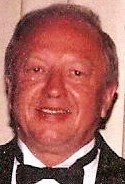
Texas Gov. Rick Perry latched onto the rising wave of anti-Washington ire and rode it to an easy Republican primary win over Sen. Kay Bailey Hutchison, once seen as the candidate who could block his march toward four more years in the state's highest office.
Perry emerged from the rancorous fight with Texas' senior senator and a third candidate backed by some in the tea party movement to face a Democrat in many ways his polar opposite. Former Houston Mayor Bill White, a calm consensus-builder, easily defeated six opponents to win his party's nomination.
Shortly after Hutchison called him to concede, Perry continued his nonstop attack on the nation's capital, slamming Washington on spending, job losses and the health care debate.
"Texas voters said no to Washington bureaucrats ... and yes to leadership that controls spending, fights for individual freedoms and the United States Constitution," Perry told cheering supporters at the famous Salt Lick barbecue restaurant in Driftwood, just outside Austin. "Hardworking Texans sent a simple, compelling message to Washington: Quit spending all the money!"
With nearly all precincts reporting, Perry had 51 percent to Hutchison's 30 percent. He managed to avoid a runoff even though nearly one in five voters cast ballots for the third candidate, Debra Medina, a GOP party activist who has strong libertarian leanings and supporters in the tea party movement.
Showing posts with label Rick Perry. Show all posts
Showing posts with label Rick Perry. Show all posts
Wednesday, March 3, 2010


Tuesday, February 9, 2010
Tea Party candidate surges in Texas GOP primary

Tea Party candidate Debra Medina has surged and is now favored by 24 percent in the Texas Republican primary election for governor. If she continues to gain, she could force a runoff with Gov. Rick Perry, favored by 39 percent, and Sen. Kay Bailey Hutchison, who has 28 percent.
Public Policy Polling reports, "Medina is clearly riding the wave of discontent with the Republican establishment. Among primary voters who disapprove of the job the GOP in Congress is doing she actually leads with 37% to 32% for Perry and 22% for Hutchison. The problem for Medina is those folks only account for a third of the electorate and among the majority who are happy with the Republicans in Washington she's in a distant third at 17% to 48% for Perry and 27% for Hutchison. There may not end up being enough discontented Republican voters for her to move into the top two but she is nevertheless exceeding expectations.
"Hutchison's issues are twofold: voters trust Washington politicians even less than usual right now and she's simply not connecting with the conservative voters who dominate a GOP primary electorate. Asked whether they have more faith in Washington politicians or Austin politicians to solve Texas' problems 78% said the state level ones to just 3% picking the national level. And while Hutchison has a commanding 49-29 lead over Perry with moderate voters, she is in last place with conservatives. Perry leads the pack at 42% followed by Medina at 25% and Hutchison at 23%. 76% of likely primary voters are conservatives to only 20% who are moderates."
Thursday, August 20, 2009
On health care, Texas took on the lawyers and won; congress chooses campaign funds over reform
Texas Gov. Rick Perry:
"In 2003, I declared the medical liability crisis an emergency item and the Legislature responded by passing sweeping reforms that protected the patient, but also shielded doctors and hospitals from unscrupulous trial lawyers eager to make a quick buck.
We capped noneconomic damages at $250,000 per defendant, or up to $750,000 per incident, while placing no cap on more easily determined economic damages, such as lost wages or costs of medical care due to injury.
We ended the practice of allowing baseless but expensive lawsuits to drag on indefinitely, requiring plaintiffs to provide expert witness reports to support their claims within four months of filing suit or drop the case.
These measures were supported by the people of Texas, who in September 2003 approved a ballot measure, Proposition 12, authorizing all the changes.
Changes were seen immediately, and continue to be felt. All major liability insurers cut their rates upon passage of our reforms, with most of those cuts ranging in the double-digits. More than 10 new insurance carriers entered the Texas market, increasing competition and further lowering costs.
As a result, Texas doctors have seen their insurance rates decline by an average of 27 percent.
The number of doctors applying to practice medicine in Texas has skyrocketed by 57 percent. In 2008, the Texas Medical Board received 4,023 license applications and issued a record 3,621 new ones.
In all, in just the first five years after reforms passed, 14,498 doctors either returned to practice in Texas or began practicing here for the first time.
And our reforms finally brought critical specialties to underserved areas. The number of obstetricians practicing in rural Texas is up by 27 percent, and 12 counties that previously had no obstetricians now have at least one. The statistics show major gains in fields like orthopedic surgery, pediatrics, neurosurgery and emergency medicine."
"In 2003, I declared the medical liability crisis an emergency item and the Legislature responded by passing sweeping reforms that protected the patient, but also shielded doctors and hospitals from unscrupulous trial lawyers eager to make a quick buck.
We capped noneconomic damages at $250,000 per defendant, or up to $750,000 per incident, while placing no cap on more easily determined economic damages, such as lost wages or costs of medical care due to injury.
We ended the practice of allowing baseless but expensive lawsuits to drag on indefinitely, requiring plaintiffs to provide expert witness reports to support their claims within four months of filing suit or drop the case.
These measures were supported by the people of Texas, who in September 2003 approved a ballot measure, Proposition 12, authorizing all the changes.
Changes were seen immediately, and continue to be felt. All major liability insurers cut their rates upon passage of our reforms, with most of those cuts ranging in the double-digits. More than 10 new insurance carriers entered the Texas market, increasing competition and further lowering costs.
As a result, Texas doctors have seen their insurance rates decline by an average of 27 percent.
The number of doctors applying to practice medicine in Texas has skyrocketed by 57 percent. In 2008, the Texas Medical Board received 4,023 license applications and issued a record 3,621 new ones.
In all, in just the first five years after reforms passed, 14,498 doctors either returned to practice in Texas or began practicing here for the first time.
And our reforms finally brought critical specialties to underserved areas. The number of obstetricians practicing in rural Texas is up by 27 percent, and 12 counties that previously had no obstetricians now have at least one. The statistics show major gains in fields like orthopedic surgery, pediatrics, neurosurgery and emergency medicine."
Thursday, April 16, 2009
Rick Perry's star rises on state sovereignty issue
"Texas Gov. Rick Perry’s star is rising among a new constituency — the anti-tax “tea party” crowd — in the wake of his recent endorsement of a Texas state House resolution affirming the state’s sovereignty.
The resolution urges that “all compulsory federal legislation that directs states to comply under threat of civil or criminal penalties or sanctions or that requires states to pass legislation or lose federal funding be prohibited or repealed.”
The Republican governor’s public embrace of that language — a thinly veiled reference toward the conditions set by the Obama administration’s financial stimulus package — and his efforts to reject some of the stimulus funds have made him popular among the big government opponents who attended Wednesday’s “tea party” events across the nation."
http://www.politico.com/news/stories/0409/21295.html
The resolution urges that “all compulsory federal legislation that directs states to comply under threat of civil or criminal penalties or sanctions or that requires states to pass legislation or lose federal funding be prohibited or repealed.”
The Republican governor’s public embrace of that language — a thinly veiled reference toward the conditions set by the Obama administration’s financial stimulus package — and his efforts to reject some of the stimulus funds have made him popular among the big government opponents who attended Wednesday’s “tea party” events across the nation."
http://www.politico.com/news/stories/0409/21295.html
Subscribe to:
Posts (Atom)