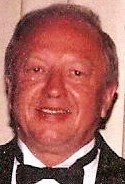
One of the money men behind the developer of the Ground Zero mosque was sued for allegedly ripping off an insurance company for nearly $1.8 million, according to court documents.
Hisham Elzanaty, who owns medical companies that operate out of a building in The Bronx, allegedly billed State Farm for unnecessary tests related to automobile accidents that would maximize the insurance payout, the papers say.
According to the documents, which were filed in 2007, the suspected scheme may have begun as early as 1998.
Elzanaty, who was reportedly a "significant investor" in mosque developer Sharif el-Gamal's $4.8 million purchase of the former Burlington Coat Factory building, was also ordered to repay $331,000 after an audit showed Medicaid had overpaid him.
Showing posts with label medicare. Show all posts
Showing posts with label medicare. Show all posts
Saturday, September 4, 2010


Friday, August 27, 2010
Obama's medicare czar well insulated from any future rationing
President Obama’s recess-appointed Medicare czar first promised but is now refusing to disclose information about funding and conflicts of interest posed by his prior employment -- along with details of his reported lifetime premium healthcare benefits that would make him impervious to any Medicare rationing inflicted on America's seniors.
Sir Donald Berwick, the new Centers for Medicare and Medicaid chief, sidestepped the Senate confirmation hearing process through direct recess appointment by Obama. Since Berwick’s recess appointment, Sen. Chuck Grassley (R-Iowa), top Republican on the Senate Committee on Finance, has requested information that would have been available during the confirmation process.
In a July 29 letter, Grassley asked Berwick to disclose information about the sources of funding for the Institute for Healthcare Improvement (IHI) where Berwick previously worked.
“For months, I’ve asked for donor information regarding the Institute for Healthcare Improvement. At one point, Dr. Berwick promised to get me that information. It never happened. And now Dr. Berwick says it never will, at least not on his watch,” Grassley said. “The CMS administrator has authority for the health coverage of more than 100 million Americans and manages a budget larger than the Pentagon’s. At least a minimal amount of transparency is necessary for the head of such an influential agency.”
The Washington Examiner’s Byron York reported in July Berwick and his wife receive from IHI lifetime premium healthcare coverage benefits. The Berwicks would not be subject to any Medicare rationing.
From the report:
The institute has also been very good to Berwick personally. He received $2.3 million in compensation in 2008 (a figure that included retirement funds), and was paid $637,006 in 2007 and $585,008 in 2006. On top of that, investigators discovered a little-noticed paragraph in an audit report revealing that in 2003 the institute's board of directors gave Berwick and his wife health coverage "from retirement until death."
Millions of Americans worry about securing coverage and paying for it. Berwick, who advocates rationing for the masses, will never be one of them.
Berwick is now refusing to disclose the information.
Sir Donald Berwick, the new Centers for Medicare and Medicaid chief, sidestepped the Senate confirmation hearing process through direct recess appointment by Obama. Since Berwick’s recess appointment, Sen. Chuck Grassley (R-Iowa), top Republican on the Senate Committee on Finance, has requested information that would have been available during the confirmation process.
In a July 29 letter, Grassley asked Berwick to disclose information about the sources of funding for the Institute for Healthcare Improvement (IHI) where Berwick previously worked.
“For months, I’ve asked for donor information regarding the Institute for Healthcare Improvement. At one point, Dr. Berwick promised to get me that information. It never happened. And now Dr. Berwick says it never will, at least not on his watch,” Grassley said. “The CMS administrator has authority for the health coverage of more than 100 million Americans and manages a budget larger than the Pentagon’s. At least a minimal amount of transparency is necessary for the head of such an influential agency.”
The Washington Examiner’s Byron York reported in July Berwick and his wife receive from IHI lifetime premium healthcare coverage benefits. The Berwicks would not be subject to any Medicare rationing.
From the report:
The institute has also been very good to Berwick personally. He received $2.3 million in compensation in 2008 (a figure that included retirement funds), and was paid $637,006 in 2007 and $585,008 in 2006. On top of that, investigators discovered a little-noticed paragraph in an audit report revealing that in 2003 the institute's board of directors gave Berwick and his wife health coverage "from retirement until death."
Millions of Americans worry about securing coverage and paying for it. Berwick, who advocates rationing for the masses, will never be one of them.
Berwick is now refusing to disclose the information.
Friday, August 20, 2010

Friday, August 13, 2010
Rep. Paul Ryan explains his roadmap to preserving medicare
The annual analysis of Medicare's financial health released by the program's trustees on Aug. 5 led some Democrats to claim that Medicare's imminent bankruptcy has been delayed, thanks to the creation of their health entitlement program. Only in Washington could the government raid one entitlement program to finance a brand-new one and still claim that deficits have been reduced and entitlements have been reformed.
The trustees' report compares the revenue that supports Medicare's trust funds with the program's planned expenditures. Last year's report revealed a $38 trillion shortfall over the next 75 years. This year the shortfall appears to have decreased, but only after the Democrats' health bill cut $529 billion from Medicare. This apparent improvement was the basis for Democratic celebration -- even though the program remains tens of trillions of dollars in the hole.
With the same legislation that cut more than half a trillion dollars in Medicare spending, the Democrats created a nearly $1 trillion health-care entitlement. The Obama administration's own chief actuary has explained that in addition to the dubious assumptions on provider cuts and other claims of savings, the health-care law's Medicare cuts cannot be used to both reduce Medicare's unfunded obligations and pay for a new entitlement. And the Congressional Budget Office said in March that the health-care overhaul's Medicare savings "would be used to pay for other spending and therefore would not enhance the ability of the government to pay for future Medicare benefits."
Put simply, Medicare is on course to collapse. Medicare and interest on the national debt alone will soon overwhelm the federal budget, crowding out all other national priorities. The CBO estimates that Medicare will consume 12 percent of gross domestic product by 2080 (up from 3.6 percent of GDP today), bringing total health entitlement spending to 17 percent of GDP. Exacerbating our unsustainable trajectory, health spending explodes under the Democrats' health plan -- raiding Medicare, expanding Medicaid and creating two entitlements without any clue of how to finance the ones we have now. The economy simply cannot handle such crushing levels of taxation and the borrowing required to finance this spending; the CBO warned last month of a devastating debt crisis within two decades.
We do not have a choice as to whether Medicare will change from its current structure. It is being driven to insolvency. An honest debate requires a serious discussion of how Medicare will avert its collapse and be made sustainable. Unfortunately, but not surprisingly, the Democrats' political machine has attacked my contribution to this debate, making the false claim that the only solution put forward to save Medicare would "end Medicare as we know it."
The CBO has said that my reform plan, "A Roadmap for America's Future," would put Medicare on a sustainable path. The plan protects and preserves Medicare for those enrolled now and for those who will become eligible in the next 10 years, while reforming the program to ensure it will be there for younger generations. Future seniors would have access to the same coverage I enjoy as a congressman.
Far from the claims of "radicalism," this proposal is based on a key reform from the National Bipartisan Commission on the Future of Medicare, chaired by then-Sen. John Breaux (D-La.). That commission in 1999 recommended "modeling a system on the one Members of Congress use to obtain health care coverage for themselves and their families."
Future Medicare beneficiaries would receive a payment to apply to a list of Medicare-certified coverage options. The Medicare payment would grow every year, with additional support for those who have low incomes and higher health costs, and less government support for high-income beneficiaries. The most vulnerable seniors would also receive supplemental Medicaid coverage and continue to be eligible for Medicaid's long-term care benefit.
If we act now, we can avoid disruptions for current seniors while advancing patient-centered reforms so Medicare will be strengthened for future beneficiaries. The alternative is the European-style death spiral of the welfare state: kick the can down the road as our debt explodes. Under an ever-expansive, all-consuming central government, costs will be contained with Washington's heavy hand imposing price controls, slashing benefits and arbitrarily rationing seniors' care.
The trustees' report compares the revenue that supports Medicare's trust funds with the program's planned expenditures. Last year's report revealed a $38 trillion shortfall over the next 75 years. This year the shortfall appears to have decreased, but only after the Democrats' health bill cut $529 billion from Medicare. This apparent improvement was the basis for Democratic celebration -- even though the program remains tens of trillions of dollars in the hole.
With the same legislation that cut more than half a trillion dollars in Medicare spending, the Democrats created a nearly $1 trillion health-care entitlement. The Obama administration's own chief actuary has explained that in addition to the dubious assumptions on provider cuts and other claims of savings, the health-care law's Medicare cuts cannot be used to both reduce Medicare's unfunded obligations and pay for a new entitlement. And the Congressional Budget Office said in March that the health-care overhaul's Medicare savings "would be used to pay for other spending and therefore would not enhance the ability of the government to pay for future Medicare benefits."
Put simply, Medicare is on course to collapse. Medicare and interest on the national debt alone will soon overwhelm the federal budget, crowding out all other national priorities. The CBO estimates that Medicare will consume 12 percent of gross domestic product by 2080 (up from 3.6 percent of GDP today), bringing total health entitlement spending to 17 percent of GDP. Exacerbating our unsustainable trajectory, health spending explodes under the Democrats' health plan -- raiding Medicare, expanding Medicaid and creating two entitlements without any clue of how to finance the ones we have now. The economy simply cannot handle such crushing levels of taxation and the borrowing required to finance this spending; the CBO warned last month of a devastating debt crisis within two decades.
We do not have a choice as to whether Medicare will change from its current structure. It is being driven to insolvency. An honest debate requires a serious discussion of how Medicare will avert its collapse and be made sustainable. Unfortunately, but not surprisingly, the Democrats' political machine has attacked my contribution to this debate, making the false claim that the only solution put forward to save Medicare would "end Medicare as we know it."
The CBO has said that my reform plan, "A Roadmap for America's Future," would put Medicare on a sustainable path. The plan protects and preserves Medicare for those enrolled now and for those who will become eligible in the next 10 years, while reforming the program to ensure it will be there for younger generations. Future seniors would have access to the same coverage I enjoy as a congressman.
Far from the claims of "radicalism," this proposal is based on a key reform from the National Bipartisan Commission on the Future of Medicare, chaired by then-Sen. John Breaux (D-La.). That commission in 1999 recommended "modeling a system on the one Members of Congress use to obtain health care coverage for themselves and their families."
Future Medicare beneficiaries would receive a payment to apply to a list of Medicare-certified coverage options. The Medicare payment would grow every year, with additional support for those who have low incomes and higher health costs, and less government support for high-income beneficiaries. The most vulnerable seniors would also receive supplemental Medicaid coverage and continue to be eligible for Medicaid's long-term care benefit.
If we act now, we can avoid disruptions for current seniors while advancing patient-centered reforms so Medicare will be strengthened for future beneficiaries. The alternative is the European-style death spiral of the welfare state: kick the can down the road as our debt explodes. Under an ever-expansive, all-consuming central government, costs will be contained with Washington's heavy hand imposing price controls, slashing benefits and arbitrarily rationing seniors' care.
Thursday, July 8, 2010
Donald Berwick: Is he "America's worst nightmare?"
...the truth is -- as HUMAN EVENTS has been reporting -- (Donald) Berwick is America's worst nightmare when it comes to healthcare reform.
Obama’s recess appointment was clearly an effort to avoid public hearings on Berwick’s controversial views.
Here are the TopTen things the Obama Administration didn’t want you to know about Berwick:
1. Donald Berwick, President Obama's nominee to administer Medicare and Medicare, has stated openly that he favors rationing healthcare “with our eyes open.” He wants the government to be able to decide how much healthcare you and your family are entitled to.
2. Berwick believes for that healthcare to be effective we must redistribute wealth. “Any healthcare funding plan that is just, equitable, civilized and humane must, must redistribute wealth from the richer among us to the poorer and the less fortunate. Excellent healthcare is by definition redistributional,” said Berwick.
3. Berwick is “in love” with Britain’s National Heath Service. He called the British system -- that many here in the U.S. refer to as “free for all, but worthless to many” -- a “seductress” about which he is “romantic.”
In an op-ed published in the Washington Post in 1992 Berwick stated about Britain: “At last, a nation where healthcare is a right and carrying a semi-automatic machine gun is a privilege. Berwick also described a “utopian” future in which the government is in complete control of the healthcare system.
4. Berwick believes that ultrasounds in normal pregnancies and cesarean sections amount to an “assault” and wants to cut prenatal care programs.
“As many as 80% of hysterectomies are scientifically unnecessary, so are more than a quarter of the drugs used for ear infections, most of the ultrasounds done in normal pregnancies, and half of cesarean sections in the United States. Isn’t this, with all do respect, some form of assault and battery, however unintended,” said Berwick
5. Berwick has repeatedly expressed his support for a single-payer healthcare system. Berwick has stated that if he could “wave a wand…
* Healthcare is a common good – single payer, speaking and buying for the common good;
* Healthcare is a human right – universality is a non-negotiable starting place;
* Justice is a prerequisite to health –equity is a primary quality goal.”
6. Berwick will cut the number of cardiac centers, cancer-care centers, neonatal intensive-care units, and high-level trama centers.
7. Berwick doesn’t trust the free market. “Don't trust market forces,” instructs Berwick. Trust "leaders with plans."
“When you rely on incentives, market forces, competition, and upward reporting for excellence you are playing with fire. I believe it is better to rely instead whenever possible on spirit, purpose, learning cooperation and joy in work.”
8. Berwick will cut preventative care in cases such as mammograms and ultrasounds. “One over demanding service is prevention; annual physicals, screening tests, and other measures that supposedly help catch disease early,” said Berwick in a 1998 Institute for Healthcare Improvement publication.
9. On “End of Life Care,” Berwick stated in a 1993 speech that “only a minority of patients, families, and clinicians support prolonged use of life-sustaining procedures and dramatic interventions in the terminal states of illness, yet substantial use of these procedures continue.”
10. Berwick, highlights race as a factor in healthcare reform. "It’s still true that race, minority race, especially being black in our country, is the strongest critique that we have about health,” said Berwick.
Here are the TopTen things the Obama Administration didn’t want you to know about Berwick:
1. Donald Berwick, President Obama's nominee to administer Medicare and Medicare, has stated openly that he favors rationing healthcare “with our eyes open.” He wants the government to be able to decide how much healthcare you and your family are entitled to.
2. Berwick believes for that healthcare to be effective we must redistribute wealth. “Any healthcare funding plan that is just, equitable, civilized and humane must, must redistribute wealth from the richer among us to the poorer and the less fortunate. Excellent healthcare is by definition redistributional,” said Berwick.
3. Berwick is “in love” with Britain’s National Heath Service. He called the British system -- that many here in the U.S. refer to as “free for all, but worthless to many” -- a “seductress” about which he is “romantic.”
In an op-ed published in the Washington Post in 1992 Berwick stated about Britain: “At last, a nation where healthcare is a right and carrying a semi-automatic machine gun is a privilege. Berwick also described a “utopian” future in which the government is in complete control of the healthcare system.
4. Berwick believes that ultrasounds in normal pregnancies and cesarean sections amount to an “assault” and wants to cut prenatal care programs.
“As many as 80% of hysterectomies are scientifically unnecessary, so are more than a quarter of the drugs used for ear infections, most of the ultrasounds done in normal pregnancies, and half of cesarean sections in the United States. Isn’t this, with all do respect, some form of assault and battery, however unintended,” said Berwick
5. Berwick has repeatedly expressed his support for a single-payer healthcare system. Berwick has stated that if he could “wave a wand…
* Healthcare is a common good – single payer, speaking and buying for the common good;
* Healthcare is a human right – universality is a non-negotiable starting place;
* Justice is a prerequisite to health –equity is a primary quality goal.”
6. Berwick will cut the number of cardiac centers, cancer-care centers, neonatal intensive-care units, and high-level trama centers.
7. Berwick doesn’t trust the free market. “Don't trust market forces,” instructs Berwick. Trust "leaders with plans."
“When you rely on incentives, market forces, competition, and upward reporting for excellence you are playing with fire. I believe it is better to rely instead whenever possible on spirit, purpose, learning cooperation and joy in work.”
8. Berwick will cut preventative care in cases such as mammograms and ultrasounds. “One over demanding service is prevention; annual physicals, screening tests, and other measures that supposedly help catch disease early,” said Berwick in a 1998 Institute for Healthcare Improvement publication.
9. On “End of Life Care,” Berwick stated in a 1993 speech that “only a minority of patients, families, and clinicians support prolonged use of life-sustaining procedures and dramatic interventions in the terminal states of illness, yet substantial use of these procedures continue.”
10. Berwick, highlights race as a factor in healthcare reform. "It’s still true that race, minority race, especially being black in our country, is the strongest critique that we have about health,” said Berwick.
Monday, June 21, 2010
At cusp of baby boom eligibility, doctors refusing new Medicare patients, who pay 22 percent less than the privately insured
WASHINGTON — The number of doctors refusing new Medicare patients because of low government payment rates is setting a new high, just six months before millions of Baby Boomers begin enrolling in the government health care program.
Recent surveys by national and state medical societies have found more doctors limiting Medicare patients, partly because Congress has failed to stop an automatic 21% cut in payments that doctors already regard as too low. The cut went into effect Friday, even as the Senate approved a six-month reprieve. The House has approved a different bill.
• The American Academy of Family Physicians says 13% of respondents didn't participate in Medicare last year, up from 8% in 2008 and 6% in 2004.
• The American Osteopathic Association says 15% of its members don't participate in Medicare and 19% don't accept new Medicare patients. If the cut is not reversed, it says, the numbers will double.
• The American Medical Association says 17% of more than 9,000 doctors surveyed restrict the number of Medicare patients in their practice. Among primary care physicians, the rate is 31%.
The federal health insurance program for seniors paid doctors on average 78% of what private insurers paid in 2008.
"Physicians are saying, 'I can't afford to keep losing money,' " says Lori Heim, president of the family doctors' group.
Recent surveys by national and state medical societies have found more doctors limiting Medicare patients, partly because Congress has failed to stop an automatic 21% cut in payments that doctors already regard as too low. The cut went into effect Friday, even as the Senate approved a six-month reprieve. The House has approved a different bill.
• The American Academy of Family Physicians says 13% of respondents didn't participate in Medicare last year, up from 8% in 2008 and 6% in 2004.
• The American Osteopathic Association says 15% of its members don't participate in Medicare and 19% don't accept new Medicare patients. If the cut is not reversed, it says, the numbers will double.
• The American Medical Association says 17% of more than 9,000 doctors surveyed restrict the number of Medicare patients in their practice. Among primary care physicians, the rate is 31%.
The federal health insurance program for seniors paid doctors on average 78% of what private insurers paid in 2008.
"Physicians are saying, 'I can't afford to keep losing money,' " says Lori Heim, president of the family doctors' group.
Sunday, November 15, 2009
Hello fascist overlords, bye-bye grandma
A plan to slash more than $500 billion from future Medicare spending — one of the biggest sources of funding for President Obama’s proposed overhaul of the nation’s health-care system — would sharply reduce benefits for some senior citizens and could jeopardize access to care for millions of others, according to a government evaluation released Saturday.
The report, requested by House Republicans, found that Medicare cuts contained in the health package approved by the House on Nov. 7 are likely to prove so costly to hospitals and nursing homes that they could stop taking Medicare altogether.
Congress could intervene to avoid such an outcome, but “so doing would likely result in significantly smaller actual savings” than is currently projected, according to the analysis by the chief actuary for the agency that administers Medicare and Medicaid. That would wipe out a big chunk of the financing for the health-care reform package, which is projected to cost $1.05 trillion over the next decade.
The report, requested by House Republicans, found that Medicare cuts contained in the health package approved by the House on Nov. 7 are likely to prove so costly to hospitals and nursing homes that they could stop taking Medicare altogether.
Congress could intervene to avoid such an outcome, but “so doing would likely result in significantly smaller actual savings” than is currently projected, according to the analysis by the chief actuary for the agency that administers Medicare and Medicaid. That would wipe out a big chunk of the financing for the health-care reform package, which is projected to cost $1.05 trillion over the next decade.
Friday, October 30, 2009
With medicate going broke, feds eye new domains
If Medicare were a bank, federal regulators would be closing its doors, selling its operations, and sacking its managers. Thanks to soaring costs, the program is fast running out of money—even though it pays such low fees that many doctors refuse to take Medicare patients. Meanwhile, Medicare fraud costs taxpayers some $60 billion a year, according to a report by CBS's 60 Minutes, making it among the most profitable fields for felons.
That's our experience with government-run health insurance for the elderly. So what do congressional Democrats propose to do? Offer government-run health insurance to everyone else.
That's our experience with government-run health insurance for the elderly. So what do congressional Democrats propose to do? Offer government-run health insurance to everyone else.
Tuesday, October 6, 2009
Mafia shifts to Medicare fraud; it's safer
"Lured by easier money and shorter prison sentences, Mafia figures and other violent criminals are increasingly moving into Medicare fraud and spilling blood over what once a white-collar crime.
Around the nation, federal investigators have been threatened, an informant's body was found riddled with bullets, and a woman was discovered dead in a pharmacy under investigation, her throat slit with a piece of broken toilet seat.
For criminals, Medicare schemes offer a greater payoff and carry much shorter prison sentences than offenses such as drug trafficking or robbery.
"We've seen more people that used to be involved in (dealing) drugs are switching over to health care fraud because it's not as dangerous," Miami FBI spokeswoman Judy Orihuela said.
Medicare scammers typically make their money by billing Medicare for medical equipment and drugs that patients never receive—and never needed. Some pay homeless people on Los Angeles' Skid Row for Medicare or Social Security numbers to use in fake billing invoices. Others intimidate elderly victims to use their Medicare numbers, federal authorities say."
Around the nation, federal investigators have been threatened, an informant's body was found riddled with bullets, and a woman was discovered dead in a pharmacy under investigation, her throat slit with a piece of broken toilet seat.
For criminals, Medicare schemes offer a greater payoff and carry much shorter prison sentences than offenses such as drug trafficking or robbery.
"We've seen more people that used to be involved in (dealing) drugs are switching over to health care fraud because it's not as dangerous," Miami FBI spokeswoman Judy Orihuela said.
Medicare scammers typically make their money by billing Medicare for medical equipment and drugs that patients never receive—and never needed. Some pay homeless people on Los Angeles' Skid Row for Medicare or Social Security numbers to use in fake billing invoices. Others intimidate elderly victims to use their Medicare numbers, federal authorities say."
No volume discounts for big buyer Medicare, which overpays for beds, wheelchairs, other devices
"As the single largest buyer of medical products, you'd think Medicare would at least get a volume discount. But it doesn't even get the best price
From wheelchairs and walkers to orthopedic shoes and needles, Medicare buys tens of thousands of products every day for elderly Americans. And as the single largest buyer of medical products, you'd think it would at leastget a volume discount.
But it doesn't. In fact, Medicare doesn't even get the best price.
According to their own auditors, Medicare knowingly overpays for almost everything it buys. Examples include:
-- $7,215 to rent an oxygen concentrator, when the purchase price is $600.
-- $4,018 for a standard wheelchair, while the private sector pays $1,048.
-- $1,825 for a hospital bed, compared to an Internet price of $1,071.
-- $3,335 for a respiratory pump, versus an advertised price of $1,987.
-- $82 for a diabetic supply kit, instead of a $47 price on the Web."
From wheelchairs and walkers to orthopedic shoes and needles, Medicare buys tens of thousands of products every day for elderly Americans. And as the single largest buyer of medical products, you'd think it would at leastget a volume discount.
But it doesn't. In fact, Medicare doesn't even get the best price.
According to their own auditors, Medicare knowingly overpays for almost everything it buys. Examples include:
-- $7,215 to rent an oxygen concentrator, when the purchase price is $600.
-- $4,018 for a standard wheelchair, while the private sector pays $1,048.
-- $1,825 for a hospital bed, compared to an Internet price of $1,071.
-- $3,335 for a respiratory pump, versus an advertised price of $1,987.
-- $82 for a diabetic supply kit, instead of a $47 price on the Web."
Saturday, September 5, 2009
David Walker: "We suffer from a fiscal cancer"
"Mr. Walker identifies the disease as having a basic cause: "Washington is totally out of touch and out of control," he sighs. "There is political courage there, but there is far more political careerism and people dodging real solutions." He identifies entrenched incumbency as a real obstacle to change. "Members of Congress ensure they have gerrymandered seats where they pick the voters rather than the voters picking them and then they pass out money to special interests who then make sure they have so much money that no one can easily challenge them," he laments. He believes gerrymandering should be curbed and term limits imposed if for no other reason than to inject some new blood into the system."
Tuesday, July 21, 2009
A big chunk of the "uninsured" sob story is bunk
"None of the people who are trying to rush government-run medical care through Congress before we have time to think about it are pointing to Medicare, Medicaid or veterans' hospitals as shining examples of how wonderful we can expect government medical care to be when it becomes "universal."
As for those uninsured Americans we keep hearing about, there is remarkably little interest in why they don't have insurance. It cannot be poverty, for the poor can automatically get Medicaid.
In fact, we already know that there are people with substantial incomes who choose to spend those incomes on other things, especially if they are young and in good health. If necessary, they can always go to a hospital emergency room and receive treatment there, whether or not they have insurance."
(snip)
"The point is that health care is largely in your hands. Medical care is in the hands of doctors. Things that depend on what doctors do - cancer survival rates, for example - are already better here than in countries with government-run medical systems. But, if political rhetoric prevails, we may yet sell our birthright and not even get the mess of pottage."
http://www.realclearpolitics.com/articles/2009/07/21/medical_care_confusion_97543.html
As for those uninsured Americans we keep hearing about, there is remarkably little interest in why they don't have insurance. It cannot be poverty, for the poor can automatically get Medicaid.
In fact, we already know that there are people with substantial incomes who choose to spend those incomes on other things, especially if they are young and in good health. If necessary, they can always go to a hospital emergency room and receive treatment there, whether or not they have insurance."
(snip)
"The point is that health care is largely in your hands. Medical care is in the hands of doctors. Things that depend on what doctors do - cancer survival rates, for example - are already better here than in countries with government-run medical systems. But, if political rhetoric prevails, we may yet sell our birthright and not even get the mess of pottage."
http://www.realclearpolitics.com/articles/2009/07/21/medical_care_confusion_97543.html
Subscribe to:
Posts (Atom)